Official Saudi government website links end with edu.sa
All official educational website links in the Kingdom of Saudi Arabia end with .sch.sa or .edu.sa

An official government website affiliated with the Government of the Kingdom of Saudi Arabia



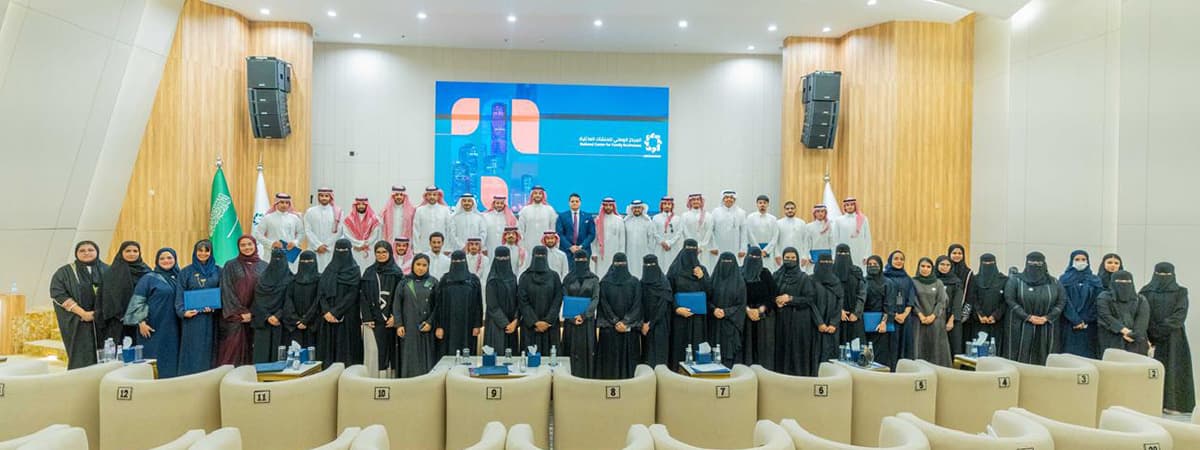


A student team from King Khalid University secured second place in the 1st Family Businesses Hackathon. The event was organized by the National Center for Family Businesses, with the participation of 150 male and female students representing 14 Saudi and Gulf universities. The team achieved this position through their project, the "Family Merit Platform" (Manassat Jadarat Al-Ailah), which aims to develop practical and innovative solutions for challenges facing family businesses and enhance their sustainability.
This achievement was accomplished through the participation of a student team from the Colleges of Law and Business, with support from the Deanship of Student Affairs. The team presented a specialized platform designed to bridge the gap in knowledge and technical qualification for board members of family companies in the fields of governance, regulations, law, and finance.
This contributes to improving decision-making efficiency, enhancing board effectiveness, and reducing conflicts arising from unclear roles and responsibilities. The project relied on several innovative elements, most notably the development of a digital index to measure merit and competence, and the creation of a secure and confidential evaluation and learning environment.
Additionally, it offers scenarios and tests that simulate real-world challenges faced by family businesses, while combining technical and regulatory aspects with the human considerations involved in managing relationships within the business-owning family.
The winning team included Dr. Ahmed bin Muhammad Sati as team leader; student Abdullah bin Ali Hayaza Al-Barqi Asiri from the College of Law (the ideator); student Hamza bin Khalid Al-Omari from the College of Business (the product designer); alongside students Ahmed bin Khalid Saddah, Abdulrahman bin Saeed Al-Omari, and Faisal bin Yahya Salman Al-Khazem. The project received academic supervision from Professor Dr.
Ahmed bin Saeed Al-Abdan, Dr. Ahmed bin Muhammad Sati, and Dr. Muhammad bin Nasser bin Safran. The team also benefited from 36 hours of intensive mentorship and training, and three developmental workshops that helped build, refine, and develop the operational model of the idea. This culminated in achieving this milestone, which reflects the capabilities of the university's students and their excellence in providing innovative solutions that serve economic development and enhance the sustainability of family businesses.


